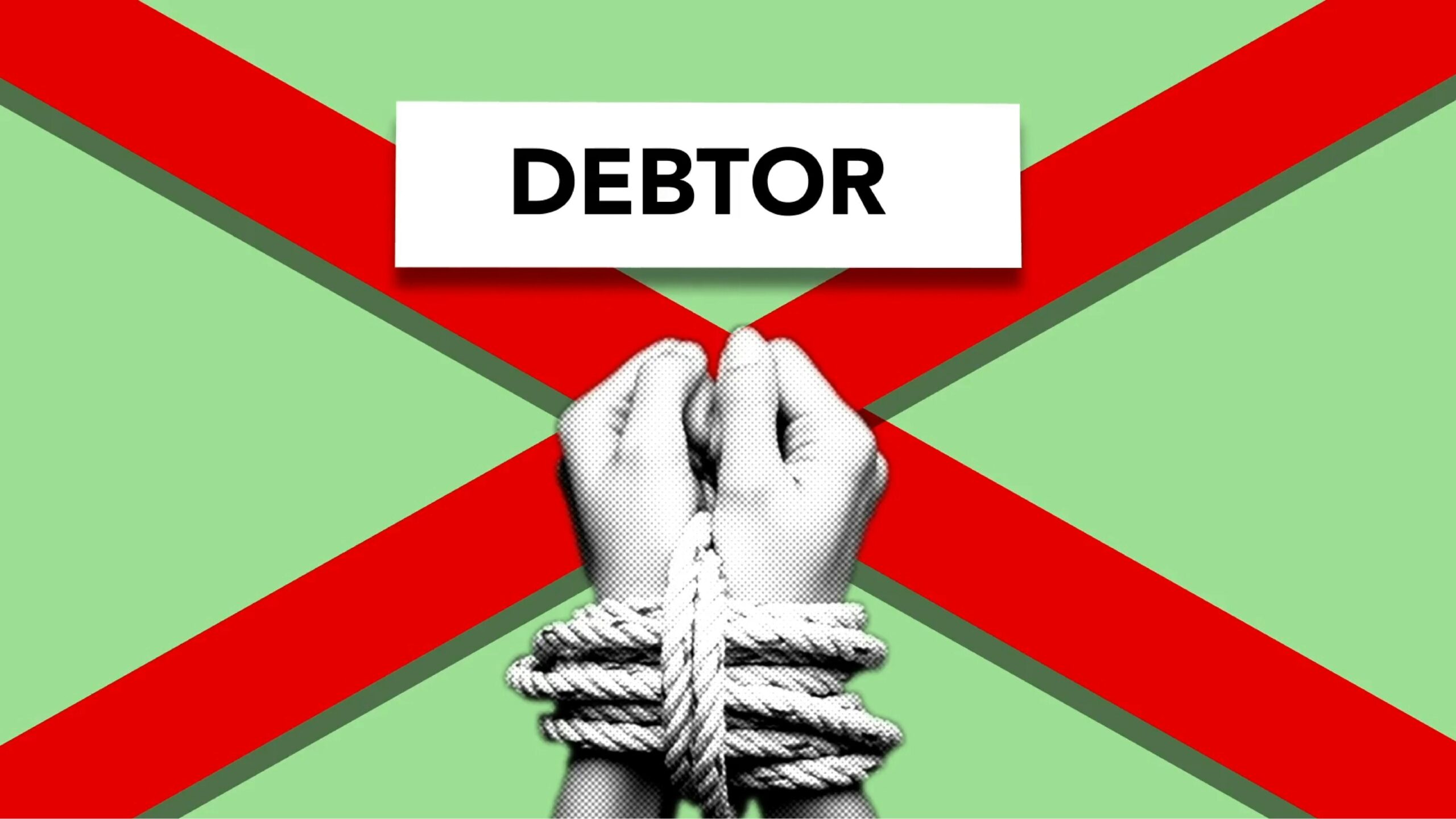
Not all debt is created equal — and confusing the two types is one of the most expensive mistakes in personal finance. The good debt vs bad debt distinction is the difference between borrowing that builds your future and borrowing that quietly drains it. Once you can tell them apart instantly, you’ll make sharper decisions every time you’re tempted to swipe a card or sign a loan.
Here’s how to spot the difference, with clear examples of each and the gray areas that trip people up.
In This Article
The Simple Test for Any Debt
Before we list examples, here’s the one question that cuts through almost everything: Does this debt have a realistic chance of making me wealthier or increasing my income over time?
If yes, it leans toward good debt — you’re borrowing to acquire something that grows in value or boosts your earning power. If no, and you’re simply borrowing to consume something that loses value the moment you own it, it leans toward bad debt. Interest rate is the second filter: even a “good” purpose financed at a punishing rate can tip into bad territory.
Keep that test in mind as we go, because the categories below are guidelines, not absolute laws.
What Counts as Good Debt
Good debt is an investment in your future that’s likely to pay off financially. It usually carries lower interest rates and is tied to an asset or capability that appreciates or generates income.
- A mortgage. A home can build equity over time, and you need somewhere to live anyway. Reasonable mortgage debt is often considered the textbook example of good debt.
- Student loans (in moderation). Education that meaningfully raises your earning power can justify the borrowing — provided the amount is sensible relative to the income the degree realistically produces.
- A business loan. Borrowing to start or grow a business that generates profit is classic productive debt, though it carries genuine risk.
- Some real estate investment. Property bought to rent out can produce income and appreciation, turning the loan into a wealth-building tool.
The common thread: the borrowed money is working to create more value than it costs. That’s what makes it “good.”
What Counts as Bad Debt
Bad debt is borrowing to buy things that lose value or get consumed, usually at high interest. It takes money out of your future to fund your present, and it compounds against you.
- Credit card balances. Carrying a balance at high interest to fund everyday spending is the most common and most damaging form of bad debt.
- Payday and high-interest short-term loans. Their rates can be staggering, trapping borrowers in cycles that are extremely hard to escape.
- Financing depreciating toys. Borrowing for things that lose value fast and don’t earn you anything rarely ends well.
- Borrowing for pure consumption. Vacations, gadgets, or luxuries bought on credit you can’t pay off quickly fall here.
KEY POINT: The hallmark of bad debt is high interest funding something that won’t make you money. It’s the most expensive way to spend.
The Gray Areas
Real life isn’t tidy, and several common debts sit on the fence. A car loan is the classic example. A reliable car you need to get to work is a legitimate expense, but cars lose value steadily, so financing one at a high rate or buying far more car than you need pushes it toward bad debt. A modest loan on a sensible vehicle is reasonable; a large loan on a luxury upgrade is not.
Student loans are similarly conditional. A manageable loan for a degree that boosts your income is good debt; a massive loan for a credential that doesn’t improve your earnings can become a long-term burden. The purpose alone doesn’t decide it — the numbers do.
This is exactly why that simple test matters more than the label. Always run the specific situation through it rather than assuming a whole category is automatically fine.
When Good Debt Turns Bad
Even genuinely good debt can sour if it’s mismanaged or oversized. A mortgage you can comfortably afford is good debt; one that stretches you so thin you can’t save or handle emergencies has become a liability. A reasonable student loan is good; borrowing well beyond what your future income can service is not.
The lesson is that “good debt” is never a blank check. Even productive borrowing must fit your real budget, leave room for savings, and carry terms you can manage. Take on too much of even the best kind of debt and it stops working for you and starts working against you. You can review borrowing basics through the CFPB’s consumer resources.
Frequently Asked Questions
Is a car loan good debt or bad debt?
It depends. A modest loan on a reliable car you need for work is reasonable, but cars depreciate, so a large loan or a high rate pushes it toward bad debt. Borrow as little as you sensibly can.
Are student loans always good debt?
No. They’re good debt only when the education meaningfully raises your income and the amount borrowed is reasonable relative to that income. Oversized loans for low-return credentials can become a burden.
Should I pay off good debt early?
Not always. If good debt carries a low interest rate, your money may do more for you invested or building an emergency fund. Bad debt, with its high interest, should almost always be eliminated first.
Is a mortgage really good debt?
Generally yes, when it’s affordable, because a home can build equity and you need housing regardless. It turns bad if it stretches your budget so far you can’t save or absorb emergencies.
The Bottom Line
The good debt vs bad debt distinction comes down to a single question: is this borrowing likely to make you wealthier, or just poorer with extra steps? Good debt invests in assets and income at reasonable rates; bad debt funds consumption at punishing ones. Run every borrowing decision through that test, keep even your good debt within what you can truly afford, and you’ll use credit as a tool instead of a trap.
Want to put this into practice? Read our guide to building a financial plan that survives real life.
Written by Ryan Mitchell — Personal Finance Writer & Editor, FinesseDaily | MPhil in Finance, United Kingdom. Have a question? Email Ryan at: ryanmitchell.finessedaily@yahoo.com