
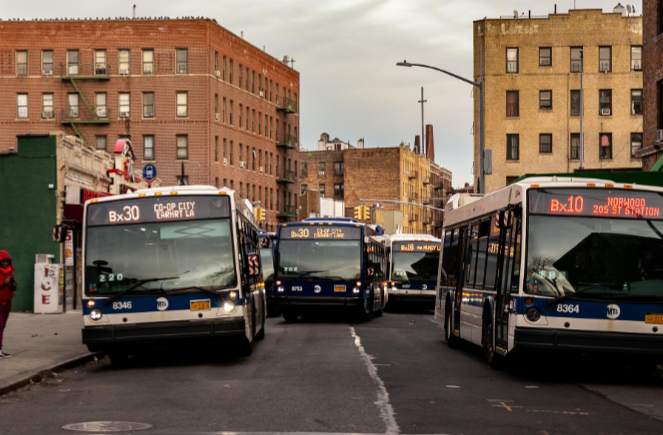
If you’ve ever tried searching for “Metro bus 30 New York,” you’re part of a big crowd. Tons of people type that into Google every month—tourists, new students, folks who just moved here. It sounds right, doesn’t it? Cities all over the world call their buses “Metrobus,” so naturally, you expect New York to follow suit.
But here’s the thing: New York doesn’t have anything called “Metrobus.” The buses here belong to the Metropolitan Transportation Authority—the MTA—and everyone just calls them MTA buses.
This tiny difference throws people off all the time. If you’re trying to get around, knowing the right name actually matters more than you’d think.
Let’s break it down, and keep it simple. No weird jargon, just the real story about how NYC’s bus system ticks.
So, what’s the MTA—and why is it such a big deal?
The MTA is basically the central nervous system for public transit in New York. It’s way more than just buses—it keeps the subways running, operates commuter trains, manages bridges and tunnels, and yes, it handles the city’s buses too.
Every day, millions of people depend on it. Early-bird workers chasing the sunrise, students hustling to class, parents wrangling groceries (and kids), tourists staring out the windows wide-eyed. The bus network doesn’t get as much hype as the subway, but honestly, buses are crucial. They dive into neighborhoods where trains don’t go, weaving through streets instead of underneath them.
So why doesn’t New York use “Metrobus” in the first place?
Here’s where most people get tripped up. In places like Washington, D.C., “Metrobus” is the official system name. New York took a different path years ago. It stuck all transit—subways, buses, everything—under the MTA umbrella. There’s no separate bus brand, because the MTA isn’t just a city thing, it covers all sorts of transit across the region.
It looks small, but it says a lot about how New York works—it’s massive, complicated, and it needs one big, unified system to pull it all together.
Now, how do NYC bus routes actually work?
At first, the route names look totally chaotic. Letters, numbers, wild combinations—feels overwhelming, right? But there’s a pattern:
Each route starts with a letter. That letter tells you which borough it’s in:
M means Manhattan
B is Brooklyn
Q stands for Queens
Bx is the Bronx
S is Staten Island
So, for example:
Q30 is a bus in Queens
Bx30 is a bus in the Bronx
It’s not random at all—it’s actually kind of logical once you know the trick.
Is there a “Bus 30” in New York?
Yes, but not the way people expect. You won’t find a single Metro Bus 30 running through the city. Instead, various buses with the “30” number pop up in different boroughs.
Like the Q30, which runs between Little Neck and Jamaica in Queens—busy spots, lots of commuters and students.
Or the Bx30, running between Co-op City and Pelham Parkway in the Bronx—crucial for locals traveling those neighborhoods.
If you just search for “Bus 30 NYC,” you need to know which borough you actually mean. Otherwise, you’ll end up confused.
What kind of MTA buses are there?
They’re not all the same, and knowing the difference makes life way easier.
Local buses: These stop almost every other block. They’re slow, but they’re great if you’re not going far.
Limited buses: Fewer stops, faster, perfect if you need to make tracks across a neighborhood.
Select Bus Service (SBS): This is New York’s version of rapid transit—dedicated lanes, pay before you board, zippy boarding. If you’re running late, SBS is your best friend.
Express buses: These connect outer boroughs to Manhattan. They cost more but make long rides way more comfortable.
The real side of NYC buses
Forget all the nitty-gritty—NYC buses are a mini-slice of life. Inside, you’ll see everything: exhausted nurses finally getting off their feet, musicians humming quietly, tourists missing their stop and laughing about it, kids excited to press the button.
Unlike the subway, you actually get to see the city rolling by—neighborhoods shifting, cultures blending, people living their lives day-to-day. Sometimes, just riding the bus gives you more than speed—it gives you a window into real New York.
Common mistakes—and how to dodge them
Mistake: Searching “Metrobus NYC.” You won’t get the right info.
Better: Search “MTA bus routes NYC,” “Q30 bus schedule,” or “Bx30 route map.”
Mistake: Ignoring the borough letters. Not every “30” bus is the same.
Better: Look for the letters—Q30 isn’t Bx30.
Mistake: Not knowing the bus types. Taking a local when you need a Limited or SBS? You’ll waste time.
Better: Look for “Limited” or “SBS”—they get you places faster.
How to ride like a local
Want to blend in, not just survive? Use a contactless card or OMNY, board from the front (unless it’s SBS), hit the stop button early, and understand that New York traffic has a mind of its own.
Patience helps. NYC transit isn’t about being perfect—it just keeps things moving.
Why buses still matter
Even with Uber or all those new tech gadgets, buses aren’t going anywhere. They’re cheap, accessible, and everywhere. No other system connects the city quite like them. They might not always be speedy, but you can pretty much count on them.
The big takeaway—it’s more than just a name
So yeah, New York doesn’t have a “Metrobus.” It’s got something bigger—a bus system that’s complex, useful, and full of life. Once you figure out how it works, all that confusion melts away.
You stop searching for the wrong thing, start riding like you know the city, and suddenly, New York feels a bit smaller and a whole lot more familiar.
If you’ve ever tried searching for “Metro bus 30 New York,” you’re part of a big crowd. Tons of people type that into Google every month—tourists, new students, folks who just moved here. It sounds right, doesn’t it? Cities all over the world call their buses “Metrobus,” so naturally, you expect New York to follow suit.
But here’s the thing: New York doesn’t have anything called “Metrobus.” The buses here belong to the Metropolitan Transportation Authority—the MTA—and everyone just calls them MTA buses.
This tiny difference throws people off all the time. If you’re trying to get around, knowing the right name actually matters more than you’d think.
Let’s break it down, and keep it simple. No weird jargon, just the real story about how NYC’s bus system ticks.
So, what’s the MTA—and why is it such a big deal?
The MTA is basically the central nervous system for public transit in New York. It’s way more than just buses—it keeps the subways running, operates commuter trains, manages bridges and tunnels, and yes, it handles the city’s buses too.
Every day, millions of people depend on it. Early-bird workers chasing the sunrise, students hustling to class, parents wrangling groceries (and kids), tourists staring out the windows wide-eyed. The bus network doesn’t get as much hype as the subway, but honestly, buses are crucial. They dive into neighborhoods where trains don’t go, weaving through streets instead of underneath them.
So why doesn’t New York use “Metrobus” in the first place?
Here’s where most people get tripped up. In places like Washington, D.C., “Metrobus” is the official system name. New York took a different path years ago. It stuck all transit—subways, buses, everything—under the MTA umbrella. There’s no separate bus brand, because the MTA isn’t just a city thing, it covers all sorts of transit across the region.
It looks small, but it says a lot about how New York works—it’s massive, complicated, and it needs one big, unified system to pull it all together.
Now, how do NYC bus routes actually work?
At first, the route names look totally chaotic. Letters, numbers, wild combinations—feels overwhelming, right? But there’s a pattern:
Each route starts with a letter. That letter tells you which borough it’s in:
M means Manhattan
B is Brooklyn
Q stands for Queens
Bx is the Bronx
S is Staten Island
So, for example:
Q30 is a bus in Queens
Bx30 is a bus in the Bronx
It’s not random at all—it’s actually kind of logical once you know the trick.
Is there a “Bus 30” in New York?
Yes, but not the way people expect. You won’t find a single Metro Bus 30 running through the city. Instead, various buses with the “30” number pop up in different boroughs.
Like the Q30, which runs between Little Neck and Jamaica in Queens—busy spots, lots of commuters and students.
Or the Bx30, running between Co-op City and Pelham Parkway in the Bronx—crucial for locals traveling those neighborhoods.
If you just search for “Bus 30 NYC,” you need to know which borough you actually mean. Otherwise, you’ll end up confused.
What kind of MTA buses are there?
They’re not all the same, and knowing the difference makes life way easier.
Local buses: These stop almost every other block. They’re slow, but they’re great if you’re not going far.
Limited buses: Fewer stops, faster, perfect if you need to make tracks across a neighborhood.
Select Bus Service (SBS): This is New York’s version of rapid transit—dedicated lanes, pay before you board, zippy boarding. If you’re running late, SBS is your best friend.
Express buses: These connect outer boroughs to Manhattan. They cost more but make long rides way more comfortable.
The real side of NYC buses
Forget all the nitty-gritty—NYC buses are a mini-slice of life. Inside, you’ll see everything: exhausted nurses finally getting off their feet, musicians humming quietly, tourists missing their stop and laughing about it, kids excited to press the button.
Unlike the subway, you actually get to see the city rolling by—neighborhoods shifting, cultures blending, people living their lives day-to-day. Sometimes, just riding the bus gives you more than speed—it gives you a window into real New York.
Common mistakes—and how to dodge them
Mistake: Searching “Metrobus NYC.” You won’t get the right info.
Better: Search “MTA bus routes NYC,” “Q30 bus schedule,” or “Bx30 route map.”
Mistake: Ignoring the borough letters. Not every “30” bus is the same.
Better: Look for the letters—Q30 isn’t Bx30.
Mistake: Not knowing the bus types. Taking a local when you need a Limited or SBS? You’ll waste time.
Better: Look for “Limited” or “SBS”—they get you places faster.
How to ride like a local
Want to blend in, not just survive? Use a contactless card or OMNY, board from the front (unless it’s SBS), hit the stop button early, and understand that New York traffic has a mind of its own.
Patience helps. NYC transit isn’t about being perfect—it just keeps things moving.
Why buses still matter
Even with Uber or all those new tech gadgets, buses aren’t going anywhere. They’re cheap, accessible, and everywhere. No other system connects the city quite like them. They might not always be speedy, but you can pretty much count on them.
The big takeaway—it’s more than just a name
So yeah, New York doesn’t have a “Metrobus.” It’s got something bigger—a bus system that’s complex, useful, and full of life. Once you figure out how it works, all that confusion melts away.
You stop searching for the wrong thing, start riding like you know the city, and suddenly, New York feels a bit smaller and a whole lot more familiar.